
What to expect during removal
At Hear Clear Midlands, we provide a clear, step-by-step explanation of what will happen during an earwax removal session. A trained clinician will examine your ear, explain the most appropriate method for the removal of earwax, and obtain your consent before proceeding. The process is designed to be safe, comfortable, and efficient, with a focus on your ear health and reassurance.

Preparing for Your Appointment
What do I need to do beforehand?
Upon booking, you will receive a health questionnaire and consent form via email. Completing these promptly helps us prepare for your specific treatment needs. We will also contact you by telephone to discuss your case further. Depending on the situation, we may recommend using olive oil drops to soften the wax prior to your appointment to facilitate easier removal.
The Procedure and Methods
Who performs the procedure?
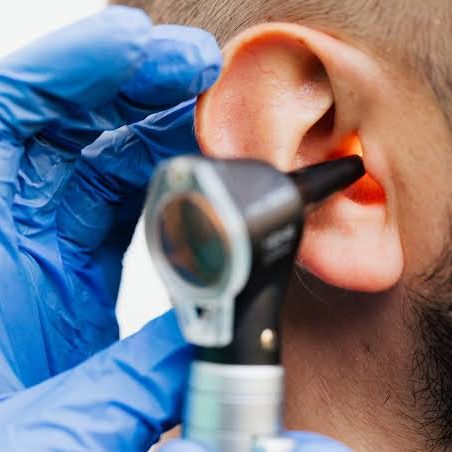
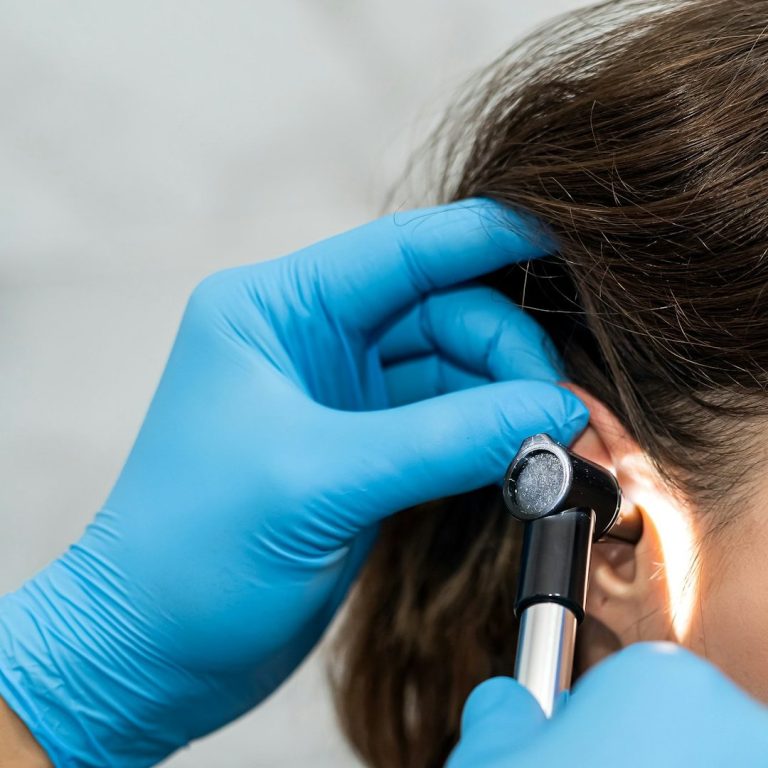
A fully trained and qualified clinician at Hear Clear Midlands performs all assessments and procedures. The appointment begins with a careful visual inspection of the ear canal using a video otoscope to assess the amount and type of ear wax. The clinician will then explain the recommended method for ear wax removal..
Removal methods explained
Which earwax removal methods are used?
We specialise in two primary methods for professional earwax removal:
- Microsuction: This is a highly precise and safe method. The clinician uses a fine suction probe and a microscope to gently remove the earwax. You may hear a soft vacuum noise during the microsuction process, but it is generally a comfortable experience. This is a preferred method for ear wax removal near me.
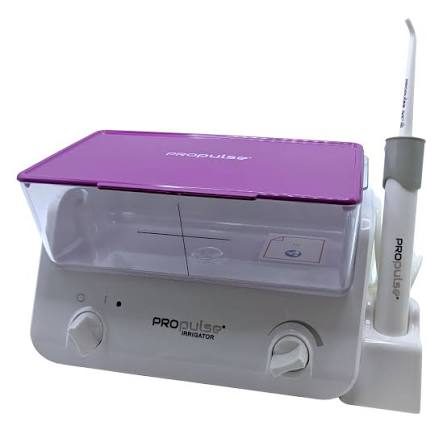
- Water Irrigation: Also known as gentle irrigation, this technique involves using a controlled stream of warm water to flush the earwax out of the ear canal. This is a modern and safer alternative to traditional ear syringing. It is another effective form of ear wax removal.
Sensation and aftercare
What you might feel and next steps
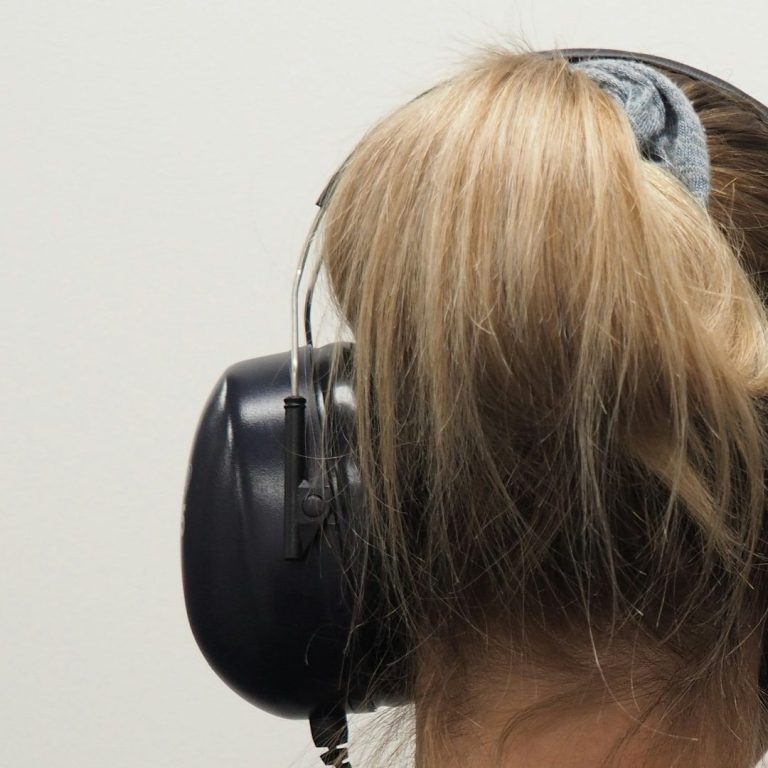
Most people experience only mild sensations such as tickling, faint pressure, or brief watery feeling during or immediately after removal. A small number may notice temporary dizziness or a brief change in hearing; these symptoms usually resolve quickly. After the procedure the clinician will clean the area, check for any residual wax, and advise on aftercare—this commonly includes keeping the ear dry for a short period and avoiding cotton buds. If you have persistent pain, discharge or reduced hearing after 48 hours return to the clinic for review. Follow-up hearing checks can be arranged if needed to ensure the ear has returned to normal.
Does it hurt?
Most people who come to Hear Clear Midlands in Hinckley report little to no pain during ear wax removal. Typical sensations are brief pressure, a tickling feeling or slight discomfort rather than sharp pain. The exact experience depends on the amount and type of wax and the removal method used. Our practitioners assess each ear carefully and explain your options so you can choose the most comfortable approach for you.
What to expect during ear wax removal at our Hinckley clinic
On arrival you will have a focused assessment of your ears and medical history. We use evidence-based techniques including microsuction, gentle irrigation and manual removal with specialised instruments. Microsuction is our preferred method for many patients because it usually involves minimal pressure and good direct visualisation. Irrigation can produce a momentary pressure sensation as water enters the ear canal. Manual removal may feel like a brief scraping or tickle. Your practitioner will explain the chosen method, the likely sensations, and answer any questions before beginning.
When removal may be uncomfortable or painful
Pain risk increases when wax is heavily impacted, when there is an existing ear infection, a damaged or perforated eardrum, or if the ear canal is unusually sensitive or narrow. Previous ear surgery or chronic skin conditions can also make the procedure more uncomfortable. If we identify any of these factors during assessment, we will discuss alternative approaches, possible use of pre-treatment (for example softening drops where appropriate) or refer you for further assessment to ensure your safety and comfort.
Aftercare and when to seek help
Most patients leave the clinic with immediate improvement in comfort and hearing. You may experience mild, short-lived irritation, temporary ringing or slight dizziness in the first few hours. Avoid inserting cotton buds or other objects into the ear and keep the ear dry for the period advised by your practitioner. Contact Hear Clear Midlands or your GP if you develop increasing pain, persistent hearing loss, discharge, significant bleeding or fever after the procedure.
How to prepare and what we will do for you
Before your appointment at our Hinckley clinic bring details of any ear problems, recent infections, medications (including blood thinners) and any hearing aids. Do not use over-the-counter ear drops unless instructed. At the clinic we will talk through the assessment findings and explain the pros and cons of each removal method so you can choose the most comfortable option. Our team aims to make the experience as gentle and effective as possible while prioritising your safety.
Aftercare and Safety: Guidance from Hear Clear Midlands
Hear Clear Midlands in Hinckley is committed to safe, effective ear care. This page provides practical aftercare and safety advice after wax removal, describing normal sensations, how to keep ears dry, when to use ear drops, and signs that require prompt review. It also explains follow-up appointments and how our team supports ongoing ear health for babies, children and adults. If you are ever unsure, please arrange an appointment or contact us for personalised guidance.
What to expect after wax removal
Normal sensations and short-term reactions
After a professional wax removal at Hear Clear Midlands you may notice temporary sensations that are normal. These include a feeling of fullness, slight muffled hearing, mild ringing (tinnitus) or brief light-headedness when the ear canal is stimulated. Some clients report a mild scratchy feeling or very small amounts of clear fluid which usually settle within twenty four to forty eight hours. Simple analgesia such as paracetamol or ibuprofen can relieve minor discomfort. Seek prompt review if you experience worsening pain, continuous bleeding, thick coloured discharge, a sudden change in hearing, or persistent symptoms beyond one week.

Keeping ears dry
Practical tips for bathing and swimming
Protecting the ear from water for the first forty eight to seventy two hours helps reduce the risk of irritation or infection. When showering or bathing, use a waterproof ear plug. Avoid submerging the head in pools, lakes or the sea for a few days after treatment. If water does enter the ear, tilt the head to drain gently and dry the outer ear with a soft towel—do not insert cotton buds or probes. For children, keep baths shallow and supervise closely. If you notice repeated water ingress or signs of infection, contact Hear Clear Midlands to arrange an appointment.
Using ear drops
When and how to use drops safely
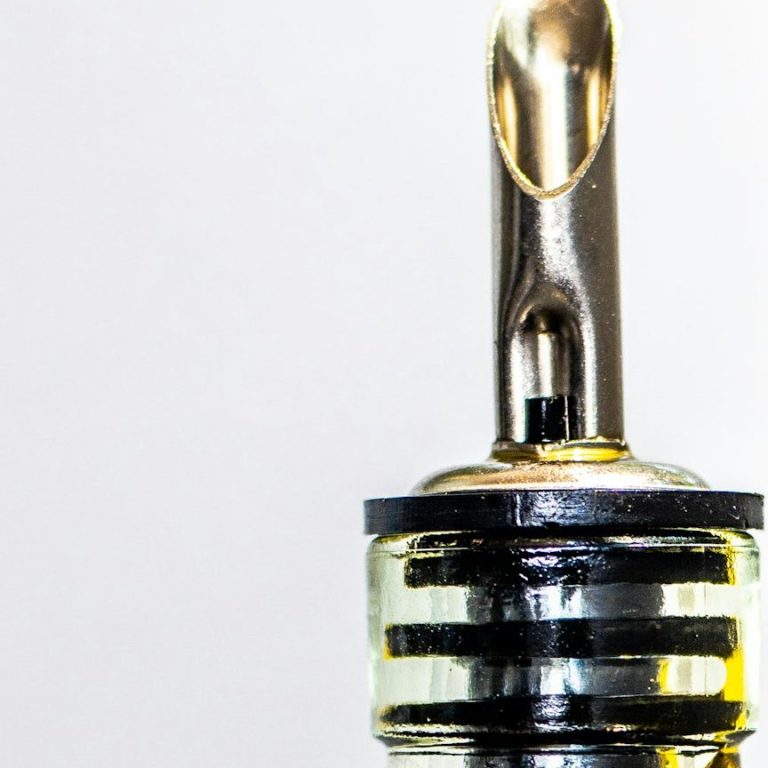
Only use ear drops when recommended by our clinician. Drops may be advised before a scheduled appointment to soften stubborn wax or after removal to relieve dryness or mild inflammation. Warm the bottle to body temperature in your hand to reduce discomfort. Lie with the treated ear uppermost, instil the number of drops advised and remain lying for two to five minutes so the solution reaches the canal. Wipe away any excess with a tissue. Avoid using drops if you suspect a perforated eardrum, have a grommet in place, or experience severe pain or discharge; instead book an appointment for assessment. If you are unsure which preparation to use, contact Hear Clear Midlands for tailored advice on ear drops and safe administration.
Follow-up and ongoing support
Appointments, monitoring and care for all ages
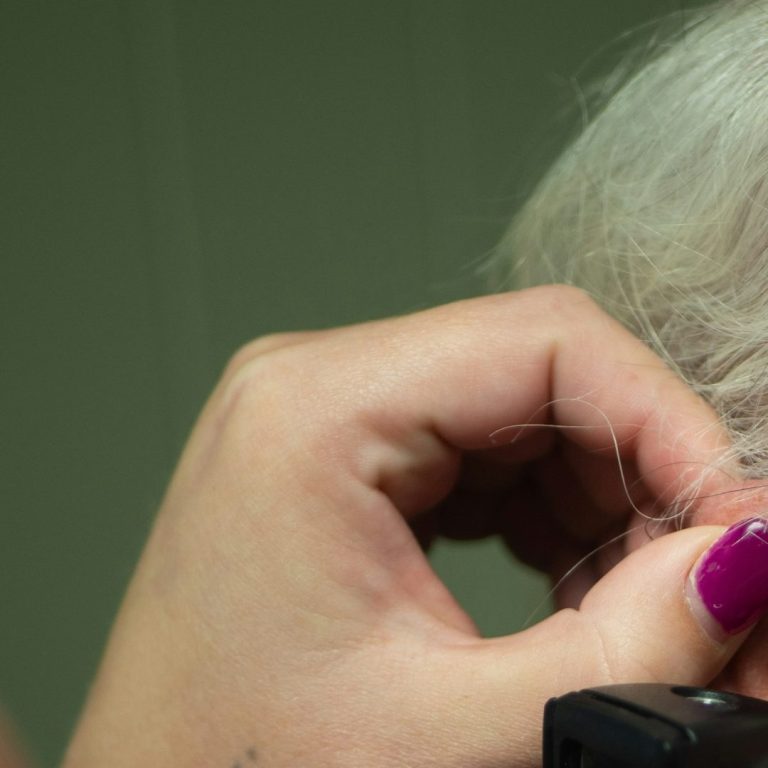
Hear Clear Midlands offers follow-up appointments and long-term support to maintain healthy ears. For many adults we recommend a routine ear check six months to a year if you are prone to recurrent wax; children and those with specific ear conditions may need more frequent review. We provide family-friendly clinics and tailored maintenance plans including periodic appointments or 'wax watch' reminders. To book an appointment or discuss a care plan, contact our Hinckley clinic where our team will arrange the appropriate follow-up and explain when to use drops or seek urgent review.